Eduardo del Buey
Foto: Afp
La Jornada Maya
Martes 8 de agosto, 2017
[i]One day, vast numbers of people will declare their most intimate thoughts to perfect strangers via a sort of virtual electric town square, while also sharing facsimile photographs of their suppers and the most grotesque self-portraits.[/i]
Marshall McLuhan in [i]The Gutenberg Galaxy[/i]
McLuhan’s observation of over fifty years ago is today’s reality.
Through Facebook and Twitter, using computers and smartphones, billions today are sharing their most intimate thoughts on line, using technology that reaches the far corners of the earth instantaneously, and that remains indelible throughout the rest of time.
This has been revolutionary.
Technology has made news an instant commodity, available to all who are connected anytime, anywhere.
This allows billions of people access to credible news sources around the world, providing first-hand information and opinions about developments wherever they occur. It allows us all to share developments in our own lives, from the meals we are eating to the sights we are seeing. It is transforming traditional industries significantly, and creating new ones exponentially.
It allows us all to express our opinions and share them, creating millions of new voices expressing ideas that can benefit humanity. It draws us to support good causes, contribute where funding is required, and change our politics.
But is it all for the good?
Last week I read on Facebook and Twitter that both Gerard Depardieu and Clint Eastwood had died. Tributes started pouring in, only to find out later on that these reports were hoaxes. While many believe the correction, others are left wondering what is true and what is false. Yesterday’s urban legends become today’s realities, and most of us are too lazy to search the truth behind every statement.
So, we are more informed, and instantly so.
But are we better informed?
The answer is no, but this is not new.
False news has been around forever.
In Europe, millions of Jews were killed throughout the centuries based on false reports contained in the Protocols of the Elders of Zion.
The difference is that, in today’s global village, false news travels with the speed of sound, and the media itself gives it credibility. McLuhan’s adage that the medium is the message has never been truer. “It must be true because it is on the web” is a common assumption today. This gives credibility to falsehoods, and misinforms rather than educates.
Indeed, we now have an entire government in the United States based on this premise. The U.S. has a president who governs by tweets and “alternative facts” (better known as lies and falsehoods). His own knowledge and understanding of complex policies is nil, and he has shown a remarkable tendency to appoint key officials to positions in which they share his ignorance. His spokespersons promote lies as truth to a degree never before seen in the United States.
Those who worship ignorance seem to be in constant competition with those who favor knowledge. And sadly, they may be winning, since most of the people who voted for this administration continue to believe in it.
Media sources such as FOX News and Breitbart report lies to conform to or even shape the ideological profile of their audiences. They tell people what they want to hear, given their own narrow experiences and beliefs, and the truth becomes irrelevant.
In this brave new world, truth, as beauty, is in the eye of the beholder. Yet as Aldous Huxley once observed, “facts to not cease to exist because they are ignored”.
Some leaders around the world find it expedient to promote lies and attack professional media and critics mercilessly. The uneducated have often preferred sensationalistic media to serious and professional journalism, and the corrections or criticisms of these lies published by serious media often don’t carry the same weight as the lies that the sensationalistic media promote because they cater to smaller and different audiences. Some politicians prefer to pander to hatred and fear than promote decision making by an informed and educated electorate.
The only solution is for citizens to demand better educational opportunities from their leaders, and for leaders to understand that, in order to progress, society must count on educated experts and not intellectual zombies. But this requires intelligent leadership confident enough in itself to promote free thought and fact-based decision making, and committed to the truth. To accept different opinions and create spaces for dialogue and debate. To not only connect with voters, but also lead them in the right direction.
Is this achievable in today’s world?
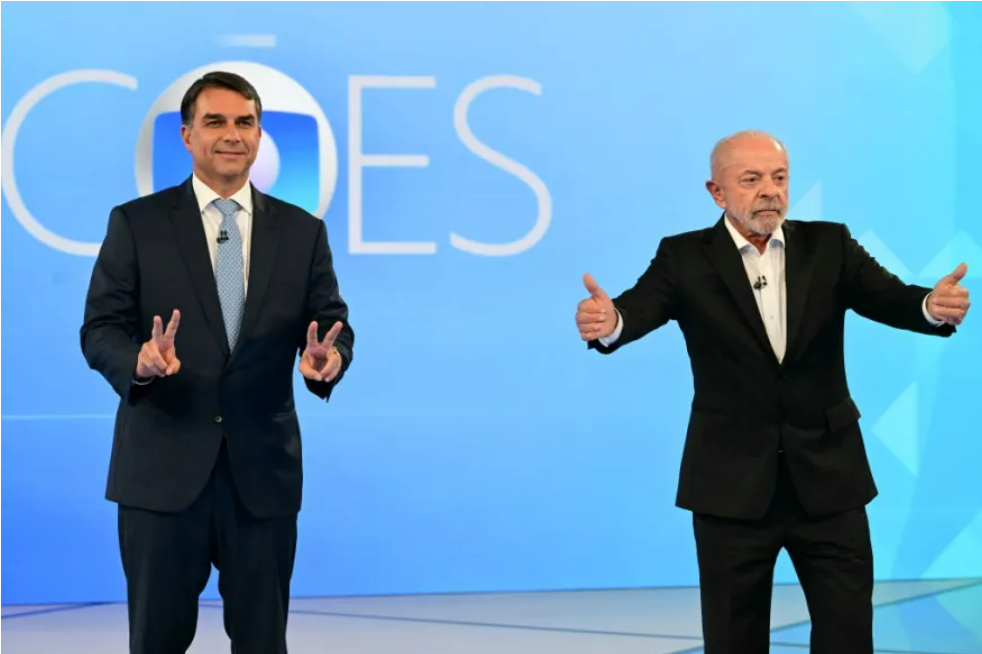
Ambos pidieron esta semana inhabilitar al adversario por supuestas maniobras ilegítimas en las redes
Afp
La FGEO agregó que 'El Ácido' habría participado en diversas acciones de violencia
La Jornada
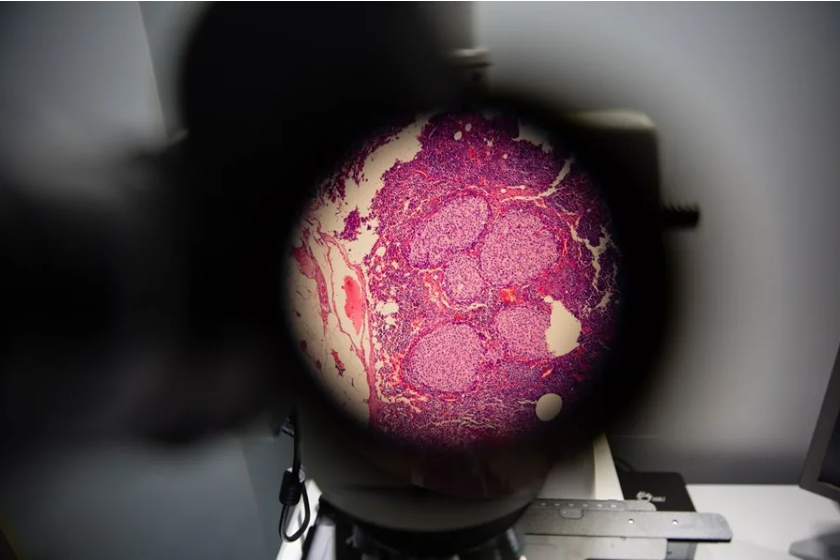
El estudio es una posible solución escalable para combatir las superbacterias resistentes a los antibióticos
The Independent
Los especialistas corrigieron mutación genética en las células hepáticas causada por la enfermedad de Wilson
The Independent