Is being born a female a potential death sentence?
Although the problem has existed for centuries, violence and oppression against women remains a global problem affecting millions of women. It is a pervasive issue that affects women in various societies, of all ages, races,religions, and socioeconomic backgrounds.
Religious practices which promote the dominance of males are partly to blame. Such is the case in Iran and Afghanistan where radical religiosity deprives women from the full enjoyment of human rights. In this context, Iranian women have demonstrated incredible bravery in challenging the Ayatollahs and many have paid with their lives. Meanwhile, in Afghanistan, females are prohibited from attending classes and must take risk their lives hands to pursue their education.
Since religions are male dominated, machismo is a rampant underlying cause of violence against women.
In many societies, the barbaric, violent practice of female genital mutilation is used by men to establish dominance by depriving women of normal sexual pleasure.
Indeed, violence against women includes physical, sexual, psychological and economic abuse.
Violence against women is a complex issue with multiple underlying causes. Patriarchal norms and gender inequality play a significant role in perpetuating violence. Societal attitudes that condone or normalize violence, rigid gender roles, and harmful cultural practices contribute to the problem.
Additionally, factors such as poverty, lack of education, and substance abuse can increase the likelihood of violence occurring.
The consequences of violence against women are far-reaching and devastating. Physical injuries, sexually transmitted infections, unwanted pregnancies, and psychological trauma are immediate consequences. Long-term effects include chronic health problems, post-traumatic stress disorder,
anxiety and depression. Violence against women also hinders their ability to participate fully in society, limiting their educational and economic opportunities.
According to the World Health Organization, one in three women has experienced physical or sexual violence in their lifetime. In some regions, this number rises to 70%. These statistics highlight the urgent need for action to address this issue.
Governments, non-governmental organizations, and activists have been working tirelessly to combat violence against women. Legislation has been enacted in many countries to criminalize violence and protect victims. Publicity campaigns, educational programs, and support services have been implemented to raise awareness and aid survivors. International agreements, such as the United Nations' Convention on the Elimination of All Forms of Discrimination Against Women (CEDAW), provide a framework for addressing this problem at a global level.
Despite these efforts, numerous challenges and barriers persist in fighting the fight. Many cases go unreported due to fear, stigma, and lack of trust in the justice system. Victim-blaming attitudes and cultural norms that perpetuate gender inequality further hinder progress while insufficient funding, inadequate resources, and limited access to support services pose additional challenges.
To effectively address the issue, a multi-faceted approach is required. This includes strengthening legislation and ensuring its enforcement to hold perpetrators accountable, promoting gender equality and challenging harmful gender norms through education. This requires investing in comprehensive support services for survivors, including shelters, counseling, and legal aid.
There must be a price to pay for violence against women.
Men and boys must be taught that women must be respected and they should face legal consequences should they engage in violence towards women.
Governments that pass or enforce oppressive laws or that engage in violence against women should also face legal and economic sanctions and prosecution in international courts.
Police must be trained to investigate cases thoroughly and see women as the victims. Unfortunately, women are still often blamed and male insensitivity precludes a change of mentalities among prosecutors and authorities.
Finally, change begins at home. Boys and girls imitate what they see at home, and parents must ensure that children only observe respect between the sexes.
Absent this, change will be painful, and many girls and women will continue to suffer egregious consequences.
Keep reading: World War Three
Edition: Estefanía Cardeña
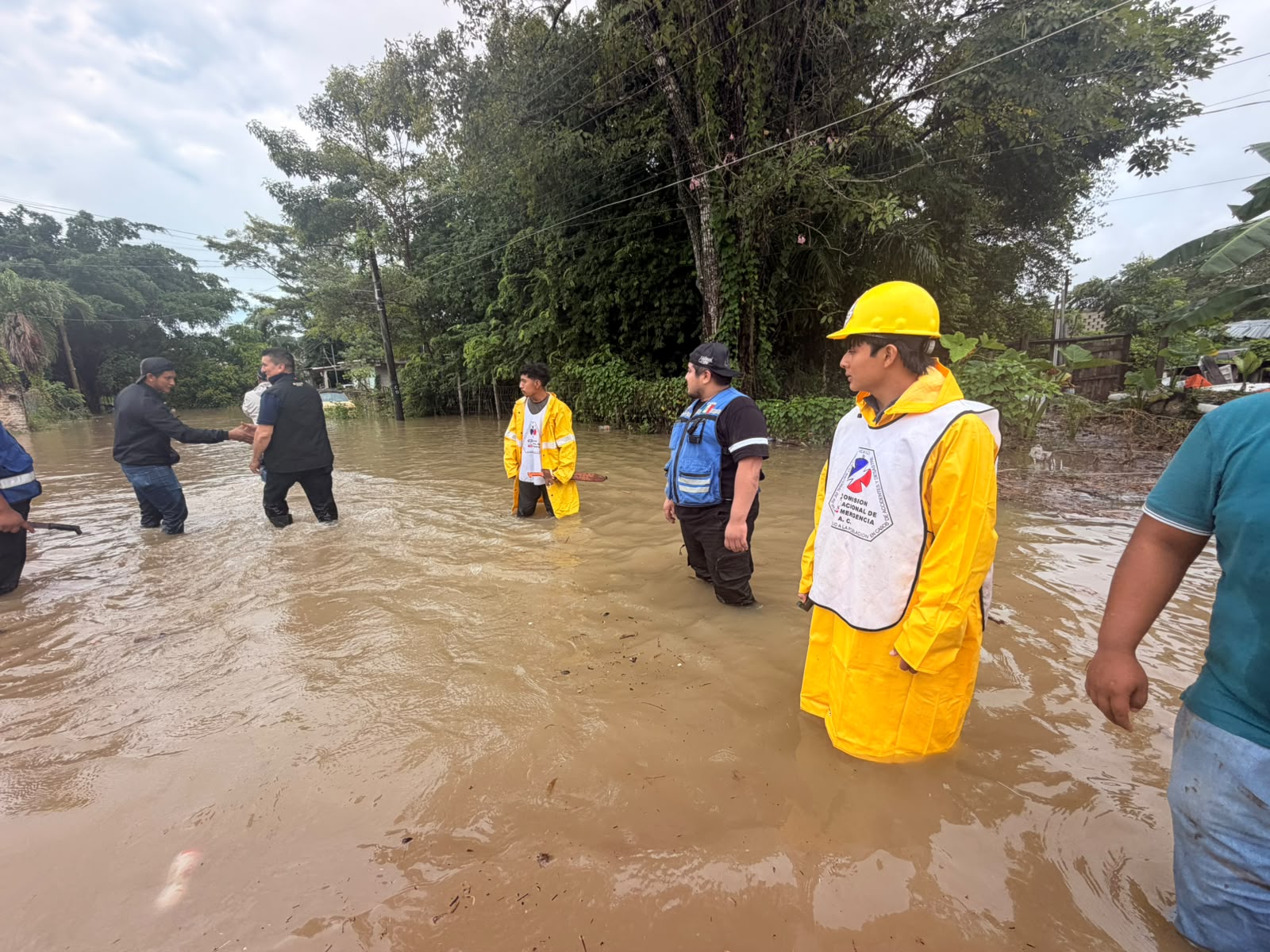
Autoridades atienden anegaciones, encharcamientos y obstrucciones en distintos puntos de Quintana Roo
Miguel Améndola
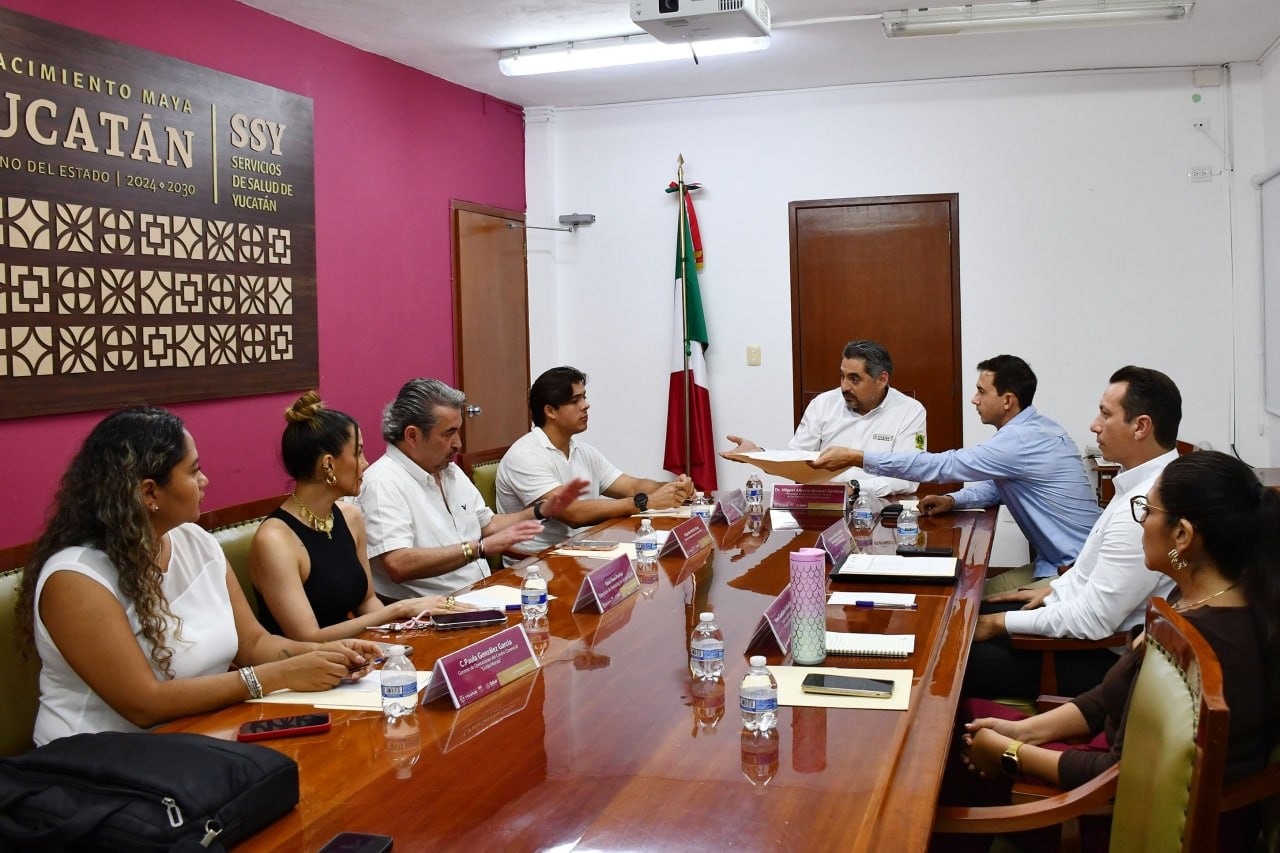
Instalan mesa interinstitucional para prevenir riesgos sanitarios y regular cuerpos de este líquido para uso recreativo
La Jornada Maya
La ex secretaria de Gobierno aspira a representar al Distrito 01 y plantea una agenda centrada en educación, salud y desarrollo económico
Jairo Magaña
Cerca de 300 trabajadores de confianza fueron dados de baja y exigen el pago de quincenas y aguinaldos pendientes
Jairo Magaña